
Treatment
Glaucoma care & Ahmed valve surgery
Glaucoma is a group of conditions that damage the optic nerve, usually linked to pressure inside the eye. Lost vision does not come back, but treatment can protect the sight you have — which is why finding it early matters so much.
What glaucoma is
The optic nerve carries what you see from the eye to the brain. In glaucoma it is gradually damaged, most often because fluid does not drain from the eye properly and the pressure inside rises. Side vision usually goes first, so many people do not notice until a lot has been lost.
In Arabic it is called الماء الأزرق, “blue water” — a different condition from cataract, الماء الأبيض.
Who should be checked
- Anyone over 40, as part of a regular eye exam
- People with a parent or sibling who has glaucoma
- People with diabetes, high short-sightedness or long-term steroid use
- Anyone told their eye pressure is high
How glaucoma is diagnosed
A full assessment measures the eye pressure, examines the optic nerve, tests your field of vision and may include imaging of the nerve fibres. Glaucoma is usually confirmed and monitored over several visits.
How it is treated
The aim of every treatment is to lower the pressure inside the eye to a level that protects the optic nerve.
- Eye drops — the most common first treatment, used every day
- Laser — to help fluid drain, in suitable cases
- Surgery — when drops and laser are not enough
About the Ahmed valve
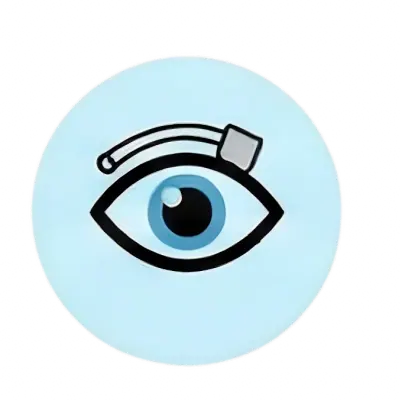
An Ahmed valve is a small drainage device placed during surgery. A fine tube carries fluid from inside the eye to a small plate on the outer wall of the eye, under the eyelid, where it is absorbed. It is typically used for glaucoma that is hard to control with other treatments. Your doctor will explain whether it fits your situation and what follow-up it needs.
Get help urgently if…
You have a sudden painful red eye with blurred vision, haloes around lights, headache or nausea. This can be a form of glaucoma that needs same-day treatment. Call us, or go to the nearest emergency department.
Common questions
Can glaucoma be cured?
Damage that has already happened cannot be reversed. Treatment controls the condition and protects the remaining vision, so regular follow-up is lifelong.
I see fine — can I still have glaucoma?
Yes. Early glaucoma usually causes no symptoms, which is why regular checks matter, especially after 40 or with a family history.
Do I need drops forever?
Many people do. Some may later need laser or surgery. Never stop your drops without speaking to your doctor.