
Treatment
Retina care & vitrectomy
The retina is the light-sensitive layer at the back of the eye. Vitrectomy is a microsurgical operation that removes the gel inside the eye so the surgeon can repair the retina — for problems such as detachment, macular holes and diabetic eye disease.
Get help the same day if you notice…
These can be signs of a retinal tear or detachment. Call us straight away, or go to the nearest emergency department — early treatment can save sight.
- A sudden shower of new floaters
- Flashes of light at the edge of your vision
- A shadow or curtain moving across your vision
- A sudden, unexplained drop in vision
What vitrectomy is
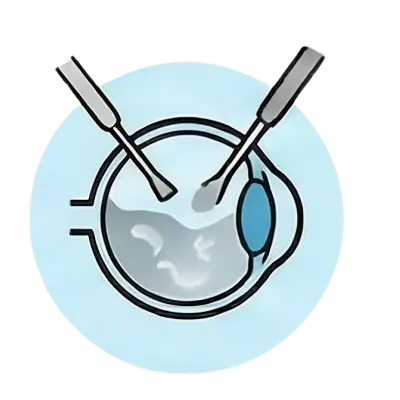
The middle of the eye is filled with a clear gel called the vitreous. In a vitrectomy the surgeon removes this gel through tiny openings in the white of the eye, then works directly on the retina — for example, sealing a tear, flattening a detached retina, closing a macular hole, or clearing blood from diabetic eye disease.
At the end, the eye may be filled with saline, a gas bubble or silicone oil that holds the retina in place while it heals.
Diabetes and your eyes
Diabetes can damage the small blood vessels of the retina, often without symptoms at first. A yearly eye exam that looks at the retina is recommended for people with diabetes, so changes can be treated early — before they threaten vision.
Recovery
- If a gas bubble is used, you may be asked to keep your head in a certain position for some days — this helps the retina heal
- With a gas bubble you must not fly or travel to high altitude until it has gone; your doctor will tell you when
- Vision is blurry at first and improves gradually over weeks
- Eye drops and follow-up visits are part of recovery
Risks to know about
Possible risks include raised eye pressure, infection, bleeding, a cataract forming sooner in that eye, and the retina detaching again. Your surgeon will explain the balance of benefits and risks for your particular condition.
Common questions
Are floaters always serious?
Most long-standing floaters are harmless. A sudden increase in floaters, especially with flashes or a shadow, needs to be checked the same day.
Why must I keep my head down after surgery?
If a gas bubble is used, positioning presses it against the area being repaired, helping the retina heal in place.
How often should a person with diabetes have an eye exam?
Usually once a year, or more often if your doctor finds changes.